AK’TENAMIT, GUATEMALA
THE COMMUNITY
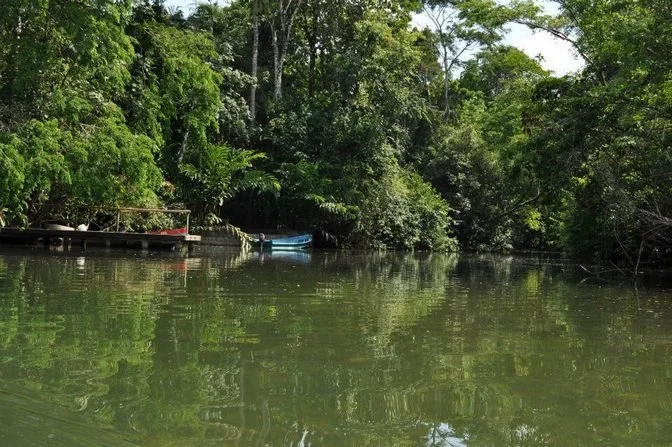
The Ak’Tenamit community in Eastern Guatemala is a comprehensive educational and residential campus that includes vocational middle and high schools, student dormitories, a health clinic, farm, fair-trade store, and restaurant. At peak capacity, the campus serves approximately 500 students, ranging in age from 11 to early twenties, along with 100 staff members and families.

Engineers Without Borders (EWB) partnered with the Ak’Tenamit community to address critical infrastructure challenges and improve overall quality of life. The program focuses on three interconnected areas: sanitation, water supply, and energy supply, with solutions designed to be sustainable, scalable, and community-led.
THE NEED
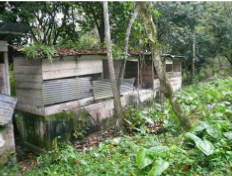
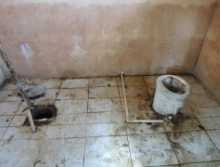
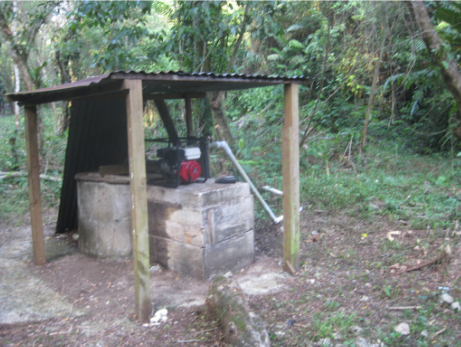
The growing student population and expanded facilities placed increasing strain on Ak’Tenamit’s sanitation systems, water availability, and energy infrastructure. Existing facilities were insufficient to support safe hygiene practices, reliable access to clean water, and affordable energy use.Key challenges included:Limited and aging sanitation facilities.Insufficient water storage and distribution to support new infrastructure.High operating costs and reliance on gas-powered water pumping systems.The need for long-term sustainability, monitoring, and community training.
Our Involvement
The EWB Ak’Tenamit program took a systems-based, collaborative approach, addressing sanitation, water, and energy together to ensure integrated and reliable solutions.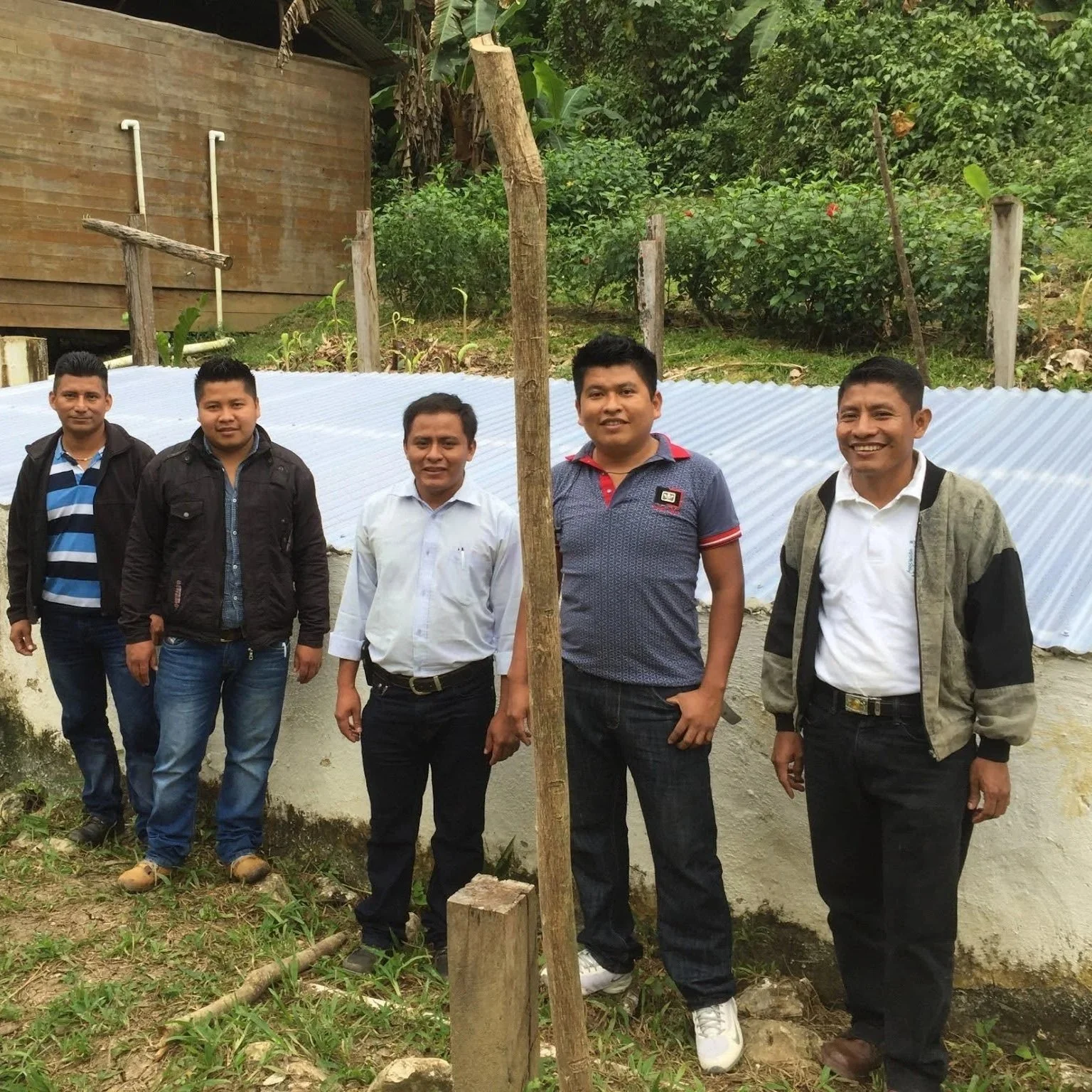
SANITATION
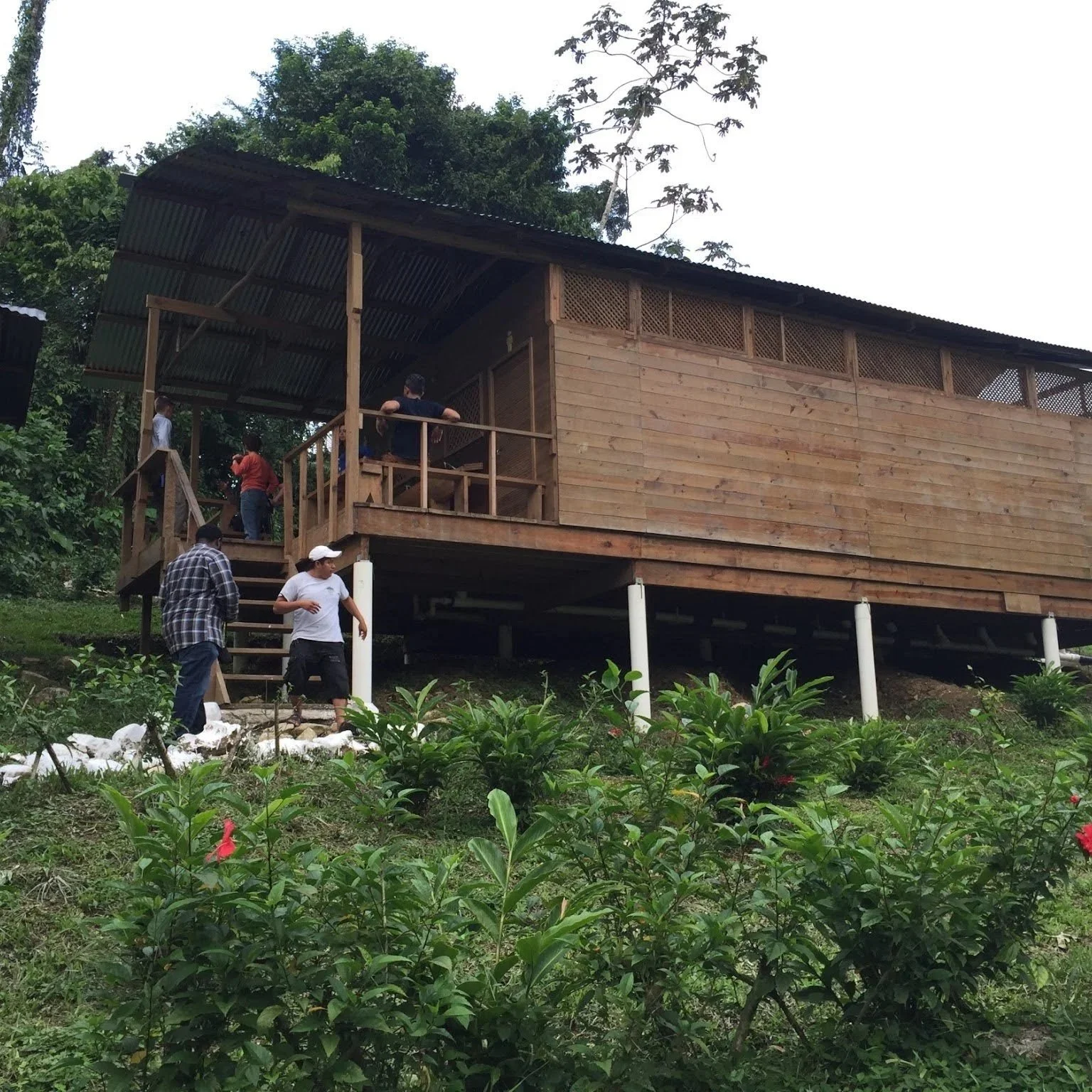
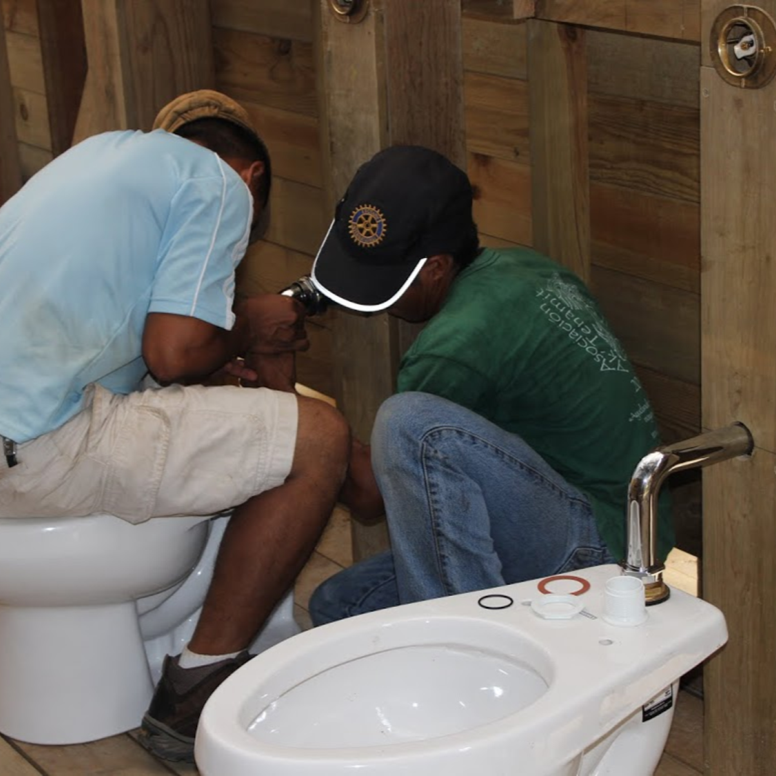
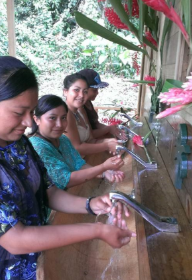
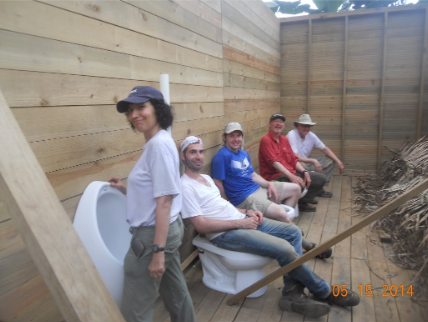
In 2014, installed new toilet facilities serving classrooms and boys’ dormitories, including: 14 flush toilets4 waterless urinalsHandwashing stationsSolar-powered water supplyAnaerobic baffled reactor for wastewater treatmentFacilities were housed in a building designed and constructed by Rotary District 6440.
Ongoing efforts include system monitoring, operations and maintenance training for community staff, and installation of a similar sanitation system for the health clinic and girls’ dormitories.WATER SUPPLY
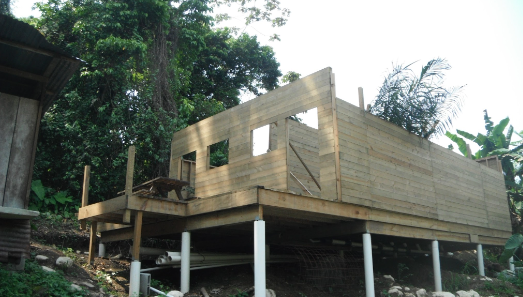
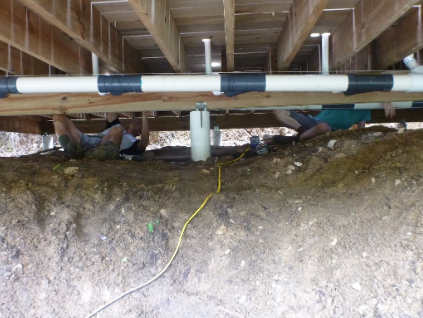
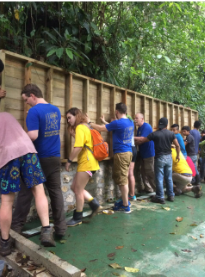
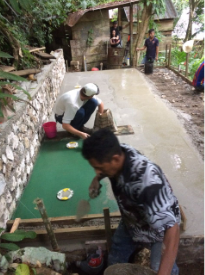
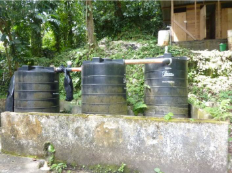
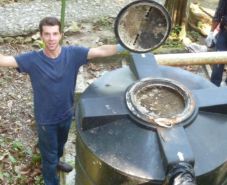
In 2013, implemented a rainwater harvesting system for the boys’ wash building and repaired wash tubs at the girls’ wash building.In 2014, installed a 10,000-liter water storage tank, increasing water capacity to support the sanitation system.Current work includes planning upgrades on the girls’ campus, including sanitation system installation, lavatory improvements, and system monitoring to ensure sufficient water supply.
ENERGY SUPPLY
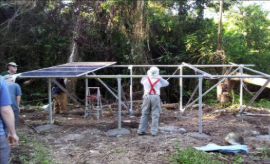
In 2014, installed a solar water pump and solar array, replacing a gas-powered pump system.This transition significantly reduced operating costs and improved reliability.Ongoing efforts include assessing additional energy needs and identifying opportunities for sustainable power expansion.
Collaborative Approach
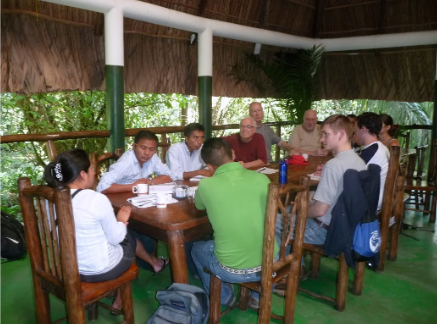
Although organized into three focus areas, the project is fully integrated. For example, the solar-powered pump supplies water to the main campus and storage tank, ensuring consistent water availability for sanitation systems. Project priorities were developed jointly with the community and include continuous monitoring, maintenance training, and curriculum development so students can learn directly from the implemented systems.Our partners
Asociación Ak’TenamitGuatemalan Tomorrow FundRotary International, District 6440Rotary District 6930 (Southeastern Florida) – Energy & WaterRotary Club of Oak Park–River Forest – WaterRotary Club of Saint Charles Breakfast – SanitationRotary Club of Libertyville Sunrise – SanitationSoCore Energy: Solar modules for Water and Aquaponics projectsBechtel Corporation: Sanitation (toilets urinals and sanitary materials) via EWB-USA Spring and Fall Grant ProcessesBoeing Past Sponsor via EWB Grant SponsorAmerican Society of Civil Engineers Past sponsor via EWB Grant ProcessEWB-USA, Chicagoland Professional Chapter: Utility design and construction, travel, logistics and in country expensesCommunity of Ak’ Tenamit: Purchase of various construction materials, salaries for skilled labor and donated manpowerURS and URS employees for the use of their conference rooms and facilities Everyone who contributed through the EWB-USA Year end campaign
Our Sponsors
ASCE Illinois Chapter
Knovel
The Results
The project delivered measurable improvements in sanitation, water access, and energy sustainability, directly benefiting hundreds of students and staff. Key outcomes include:Improved hygiene and wastewater treatmentIncreased water storage and reliabilityReduced energy costs through solar powerEnhanced community capacity through training and local ownershipLong-term sustainability through integrated system design and education
The project strengthened infrastructure resilience while empowering the Ak’Tenamit community to operate and maintain the systems independently.