candelaria, Honduras
The Community
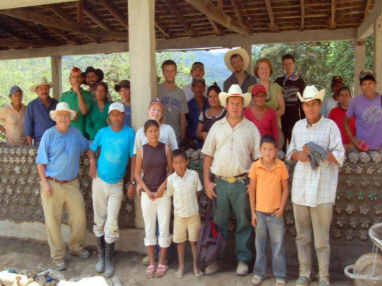
Candelaria is located in the Celaque Mountain Range in western Honduras, with the Pichigual River flowing through the center of the town. The community has approximately 2,500 residents across 212 households, with an additional 7,500 people living in the surrounding rural areas. Candelaria has a strong connection to its natural environment and has demonstrated a long-standing commitment to protecting local land and water resources.

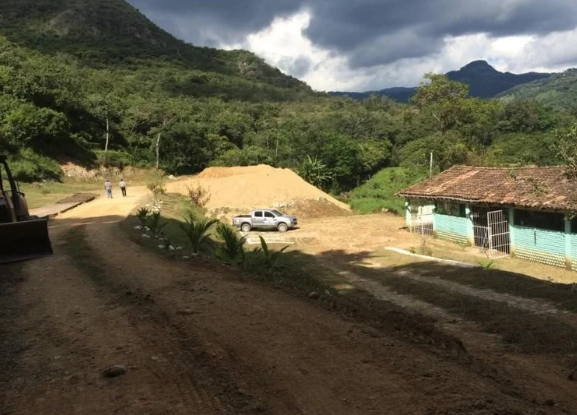
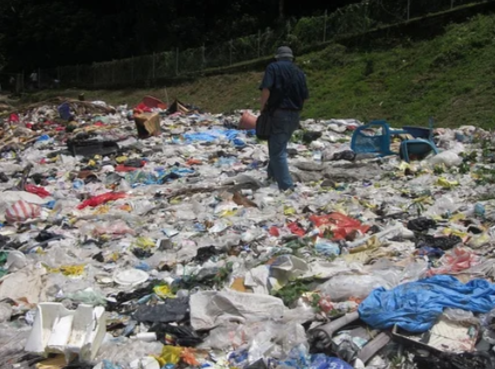
In the mid-1990s, the introduction of plastics and disposable materials created new environmental challenges. The community transitioned from burning waste to using an open-air dump, which led to environmental damage from uncontrolled stormwater leachate. Working alongside local government leaders and community stakeholders, Candelaria has taken an active role in addressing these challenges and pursuing sustainable, community-driven solutions.
THE NEED
The community, in partnership with local government leaders, requested assistance from Engineers Without Borders to improve waste management and support sustainable economic development. Key needs included the design and permitting of an environmentally safe landfill for non-recyclable waste, support for recycling and composting efforts, and the identification of new business opportunities using recycled materials.Candelaria also sought to strengthen food security, job creation, and environmental stewardship through river-based projects and the development of an aquaponics system. Improving water quality through spring protection and responsibly managing river resources were identified as essential components of the community’s long-term vision for environmental protection and economic resilience. OUR Involvement
2010 – Initial Assessment TripDeveloped relationship with CommunityIdentified location for landfill cells, Recycle Center and plant nursery
2011 – Two Implementation and Assessment TripsLandfill cell construction and Recycle Center improvementsPlant nursery and organic composting demonstration projectTaught workshops for micro-business opportunities
2012 – Implementation TripConstructed second landfill cell, leachate collection system and plastics bailerAssessed medical waste problems
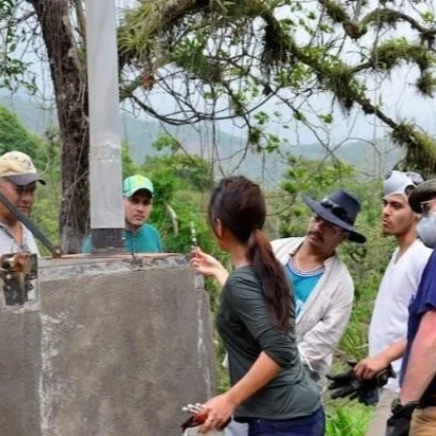
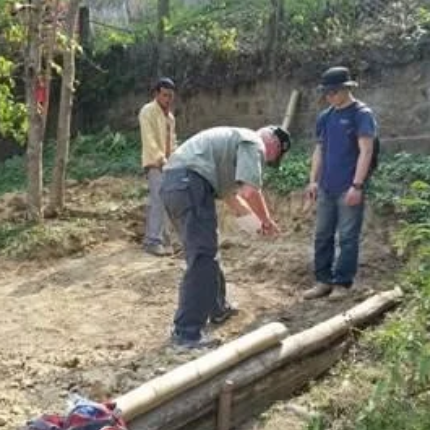
2013 – Implementation/Assessment TripContinued work on the waste management and medical waste management projectsIntroduced river hydraulics and aquaponics design concepts to the CommunityConducted a physical survey and assessment of the river in preparation for designing a system to accrete sand to create new jobs and income for community members
2014 – Implementation TripImplemented a small test structure for the River Hydraulics projectIdentified the need to protect the natural spring at the Waste Management siteDiscussed future medical waste incinerator and aquaponics projects
2015 – Implementation TripConstructed a small medical waste incinerator. One of the landfill workers sorting recycled materials got stuck accidentally by a discarded medical needle and became ill. EWB-CPC provided electrical needle destructors on previous trips. In 2015 we built a small medical waste incinerator to more safely destroy the needles.Started an aquaponics demonstration system. The community wished for more local food and produce. EWB provided aquaponics and aquaculture options on previous trips. In 2015 we build a small demonstration aquaponics system that the community can utilize when they identify their local champion for the project.
Monitored previous projects. EWB – CPC had provided services to this wonderful community since 2010 and completed the activities requested of us. Program was closed.
THE RESULTS
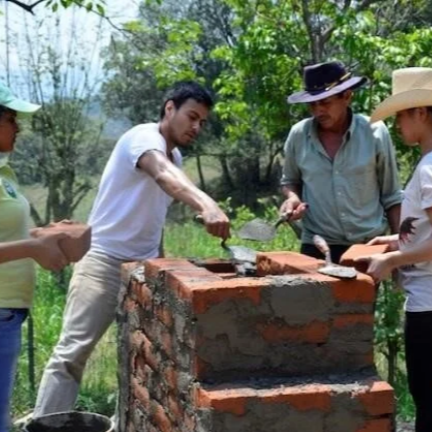
Through collaboration between Engineers Without Borders, local government leaders, and the community, Candelaria has implemented several sustainable infrastructure systems. These include an environmentally protective landfill, a recycled materials center, a composting system, and a medical waste disposal system, significantly improving environmental and public health conditions.Additional efforts have focused on economic development and food production. A river gabion was assessed and constructed to support sand collection for use in local construction materials, and aquaponics systems were planned and implemented to produce tilapia for local markets. These projects support job creation, community education, and continued progress toward Candelaria’s goal of becoming an environmentally responsible and economically sustainable community.