Mayanja, Kenya
THE COMMUNITY
Mayanja-Kibuke is a rural community of approximately 800 people located on the outskirts of Bungoma, Kenya. The community is primarily made up of subsistence farmers who rely on local springs and private wells for their water supply. Many existing water sources were unsafe at the point of collection, and the few protected water sources were located far from the center of the community.

Engineers Without Borders began working with community leaders in 2010 to address water access and quality challenges. This effort marked the first project undertaken by the EWB Indianapolis Professional Chapter, with technical and administrative support provided by the EWB Chicagoland Professional Chapter.
THE NEED
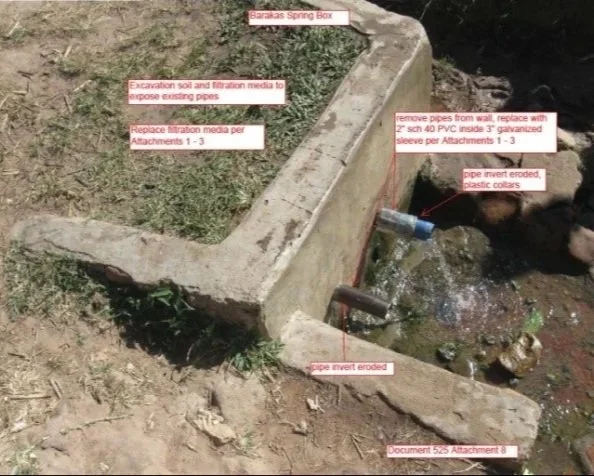
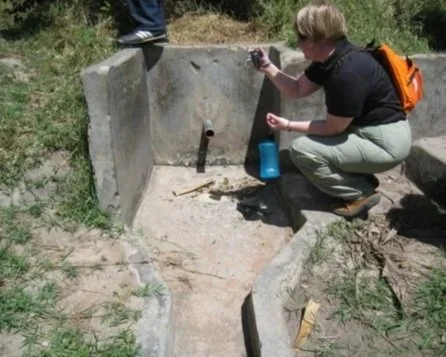
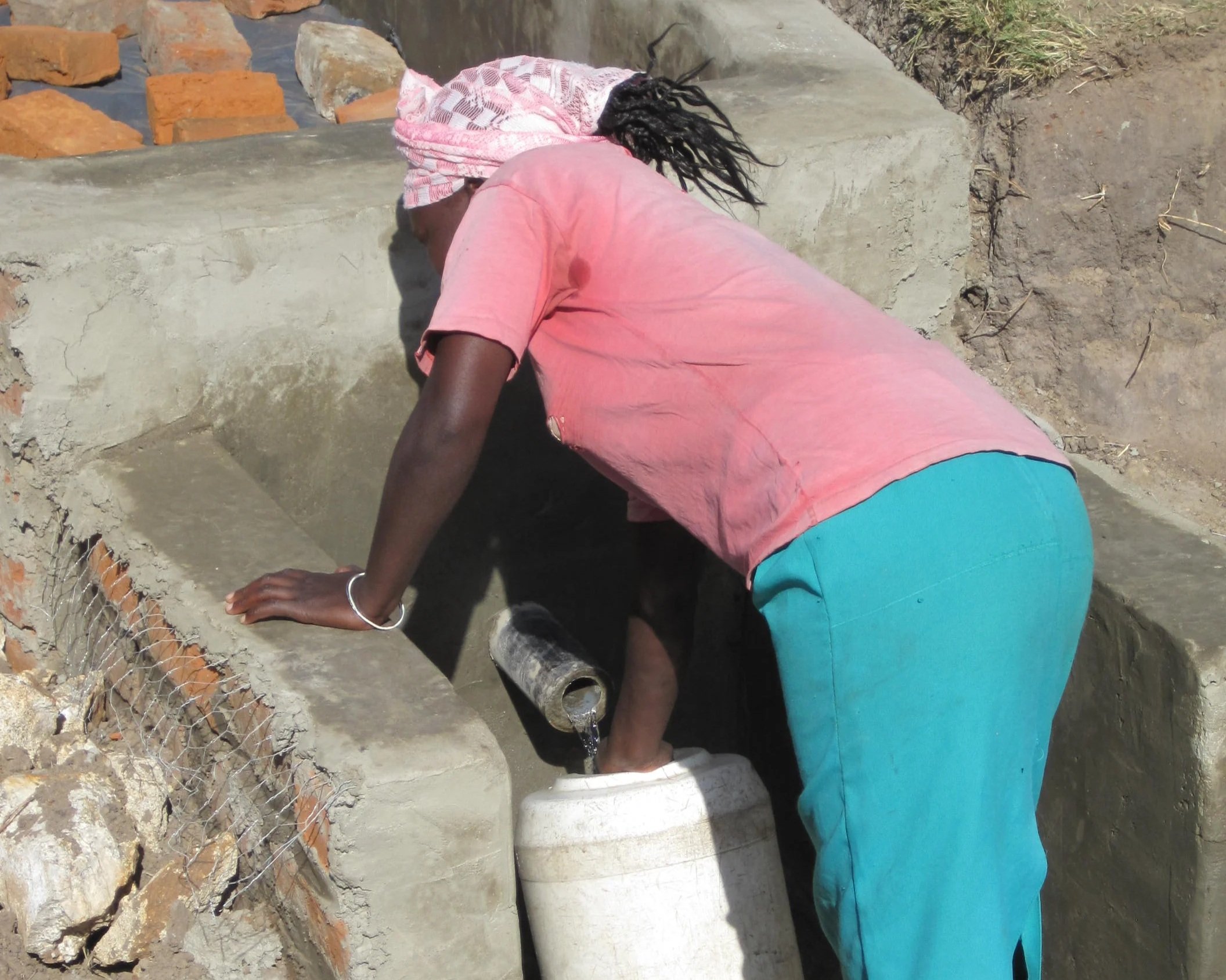
At the start of the project, up to 90 percent of the community’s water sources—including spring boxes and private wells—were unsafe. Water-borne illnesses were the most common health concern in the community. Previous water kiosks funded through international development programs had fallen out of service due to vandalism, pump theft, lack of funding, and limited technical knowledge for maintenance.

The community needed protected, reliable, and locally managed water supplies to replace failing systems and reduce the prevalence of water-borne disease. Training and education were also needed so community leaders could construct and maintain safe water infrastructure independently.
OUR Involvement
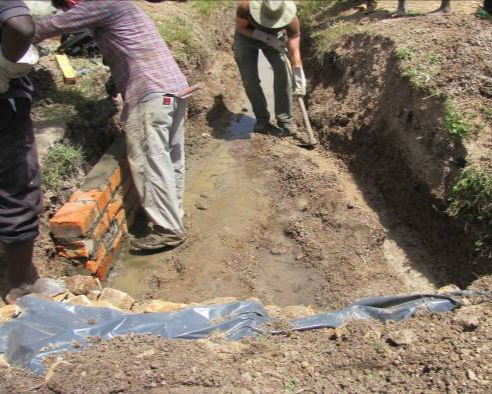
2010 – EWB Indianapolis Professional Chapter partners with EW-CPC and First Assessment Trip is taken2012 – First Implementation TripConstructed initial spring boxRehabilitated two existing spring boxesEducated & trained leaders to build new or rehab existing spring boxes in proper locations.
2013 – Implementation TripCollected water samples to assess the quality of the water produced from the spring boxConstructed a second and third spring box with the help of 23 community members
2014 – Assessment TripEWB-CPC’s involvement came to an end as the wells were determined to have met the requests of the community.
The projects directly benefited a community of 800 people and indirectly affects 5,000 people. In total EWB designed and constructed of approximately one dozen springboxes throughout the community, which were still functioning during the 2017 follow-up assessment trip.THE RESULTS
Between 2010 and 2014, Engineers Without Borders worked with community leaders to design, construct, and rehabilitate protected spring boxes throughout Mayanja-Kibuke. Initial implementation efforts included the construction of a new spring box and rehabilitation of two existing spring boxes, along with hands-on training for local leaders in proper siting and construction techniques.
Subsequent implementation trips expanded the system, with additional spring boxes constructed with the participation of 23 community members and water quality testing conducted to confirm safe water production. By the conclusion of the project, approximately one dozen spring boxes had been designed and constructed across the community, directly benefiting 800 residents and indirectly impacting approximately 5,000 people. Follow-up assessments in 2017 confirmed that the spring boxes remained functional, and EWB’s involvement concluded once the community’s water access needs had been met.