THE NEED
The communities face chronic water shortages, with many households going weeks without running water. During shortages, residents rely on neighbors or nearby surface water sources, which are often unreliable and insufficient, especially during the dry season. Existing water sources are also contaminated with bacteria, leading to waterborne illnesses such as parasites, particularly affecting children. The lack of safe, consistent access to potable water posed serious health, sanitation, and quality-of-life challenges.Our team is working to design and implement a reliable, sufficient, and uncontaminated supply of clean water for in-home use. Taking advantage of an existing mountain top spring box, we will design and construct a 6.8 kilometer pipeline and storage tanks to provide easy access to clean, potable water all year round!
Our Involvement
Our team partnered with the communities to design a gravity-fed water distribution system supplied by a protected groundwater spring. The project scope includes:
Designing a 6.8 km pipeline and multiple storage tanks to deliver clean water directly to homes
Finalizing engineering design drawings and technical plans
Supporting construction planning and management, including tank foundation preparation
Leading fundraising efforts during Spring/Summer 2018 to enable pipeline construction
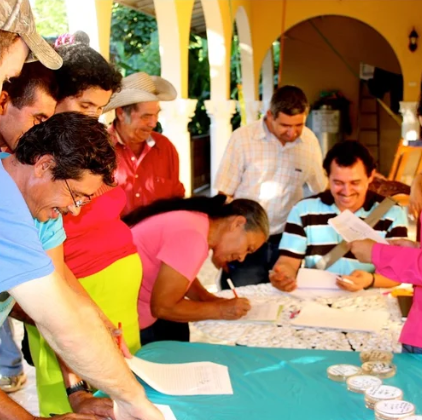
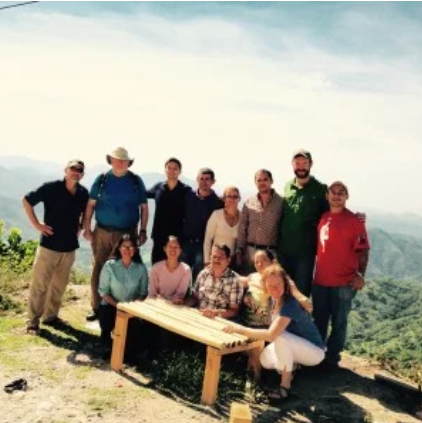
Collaborating closely with community members, local stakeholders, and Engineers Without Borders (EWB) volunteers
Key skill areas involved included engineering design, construction planning, health and safety, surveying, and Spanish-language communication.