patzajito, guatemala
The Community
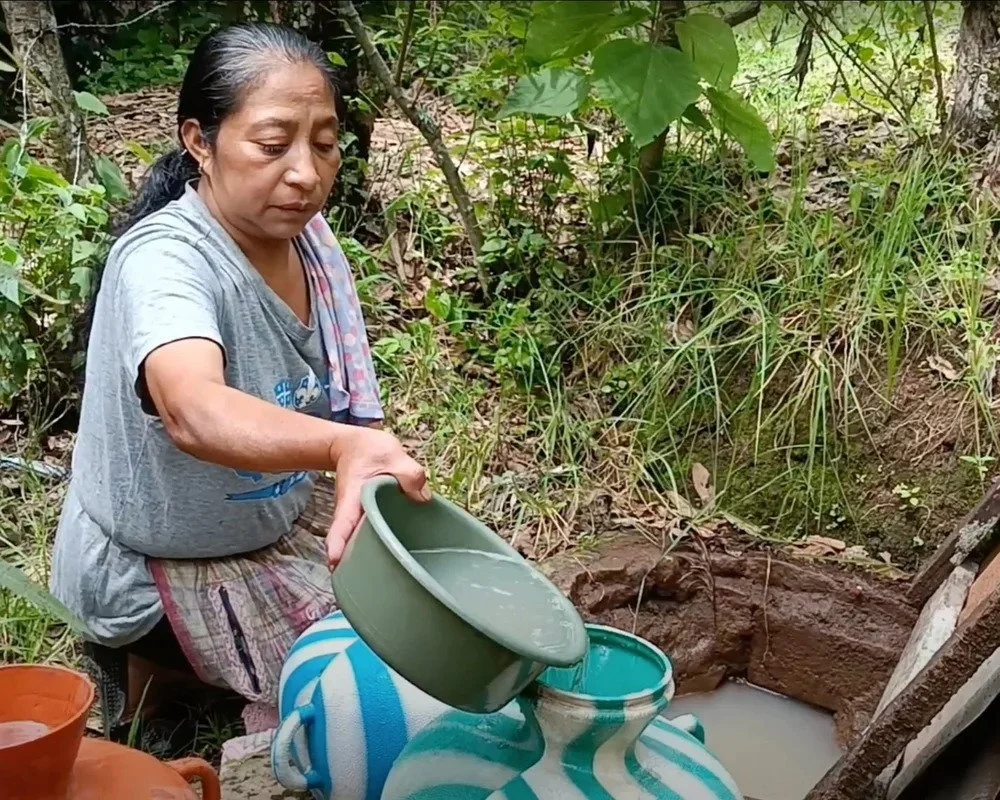
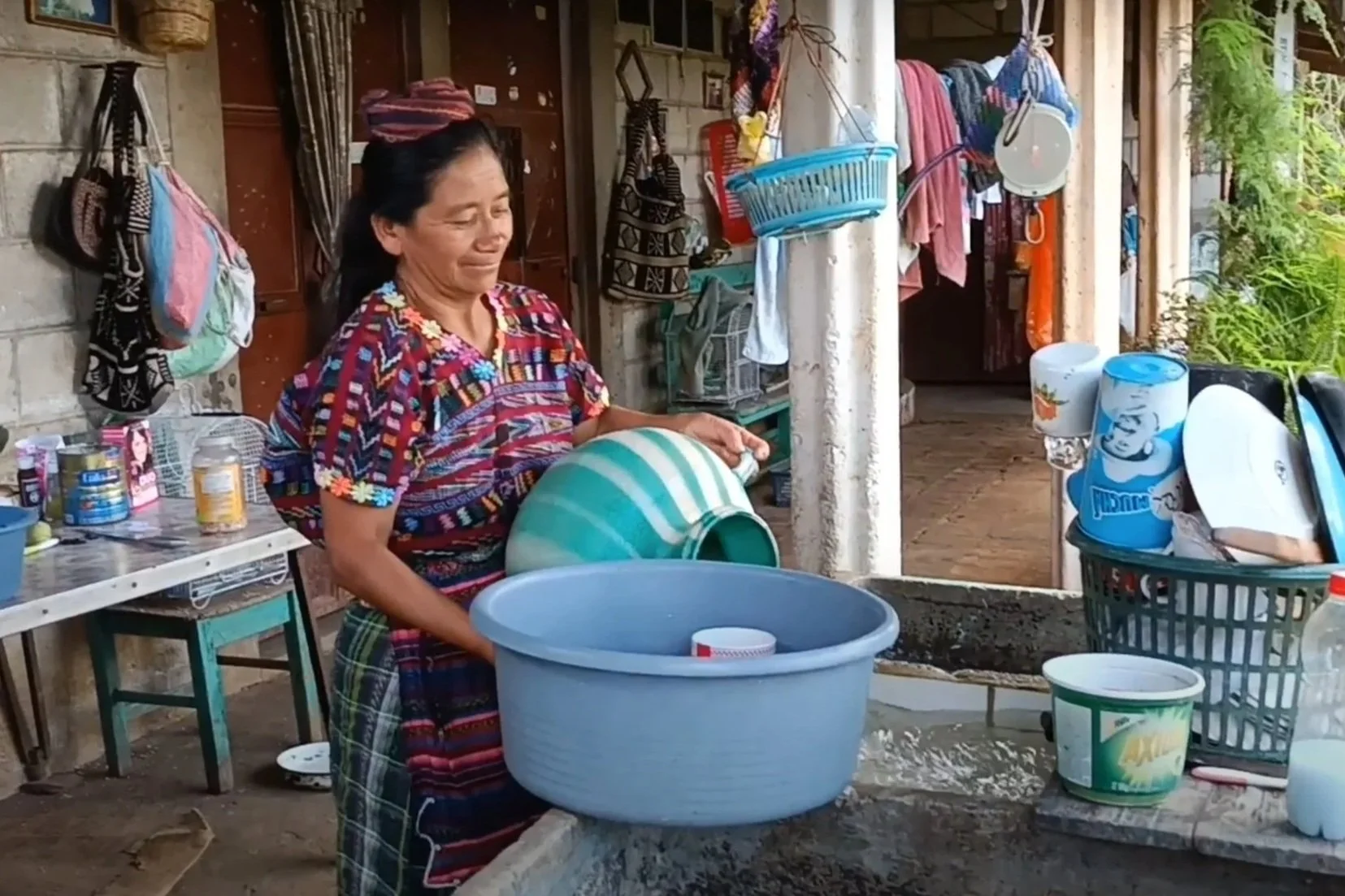
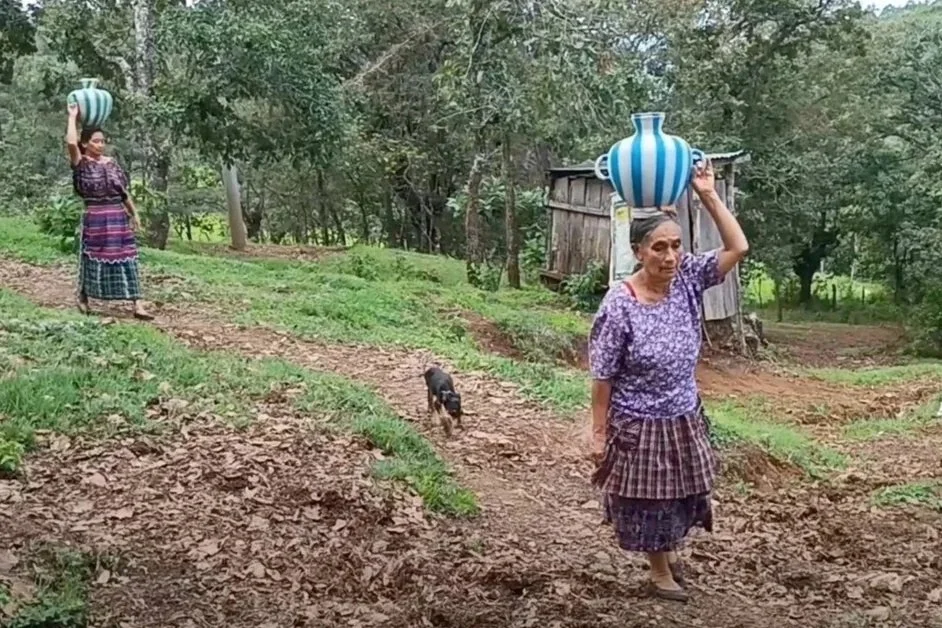
The Patzajito community, located in the mountainous regions of Guatemala, is home to indigenous Mayan people who primarily speak Kaqchikel and Spanish. Access to clean water has been a long-standing challenge for the residents. Engineers Without Borders (EWB) Chicago, in partnership with local Rotary Clubs and the municipality, is working to develop a sustainable water distribution system that will serve 109 households across Patzajito.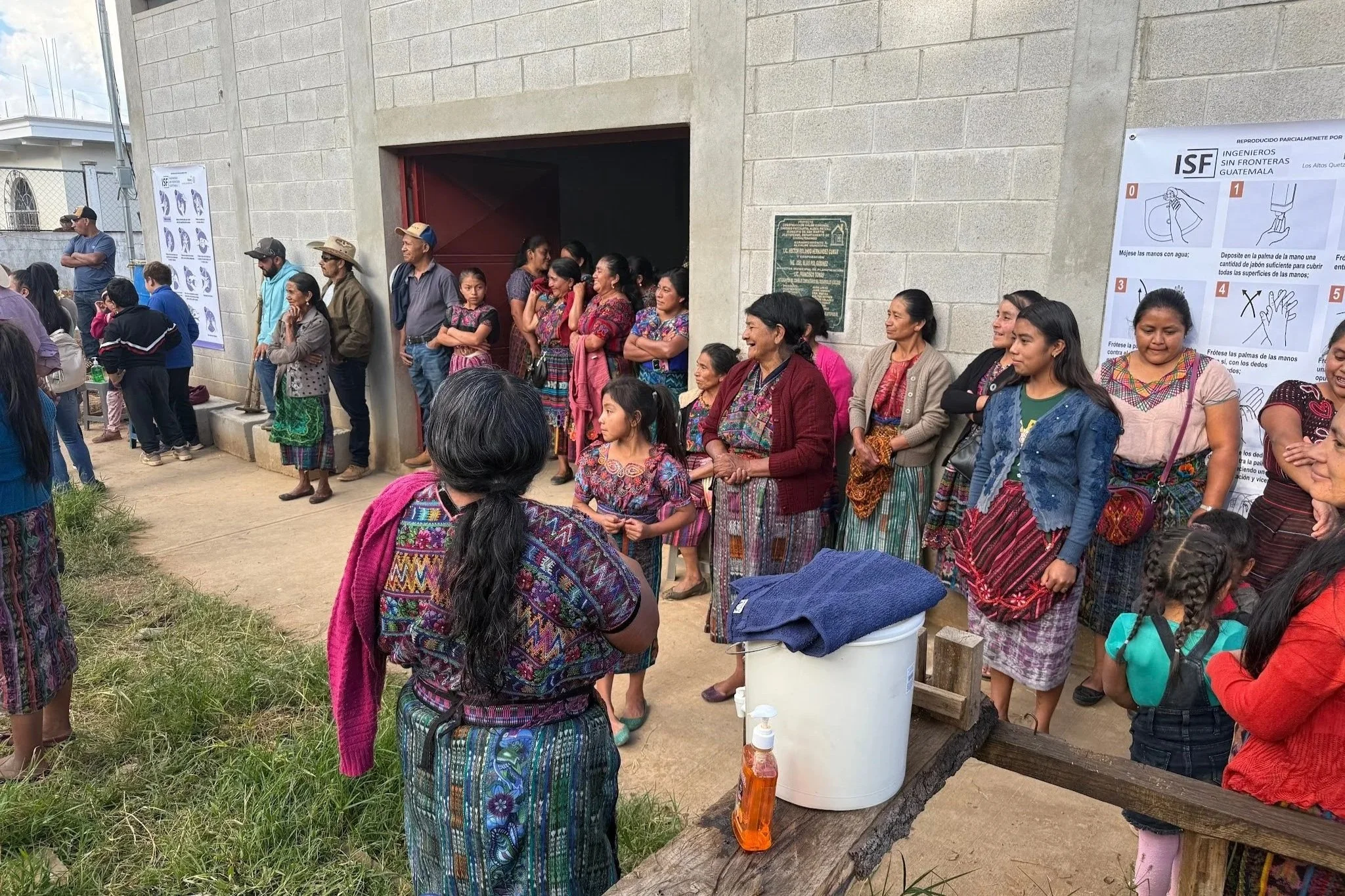
the need
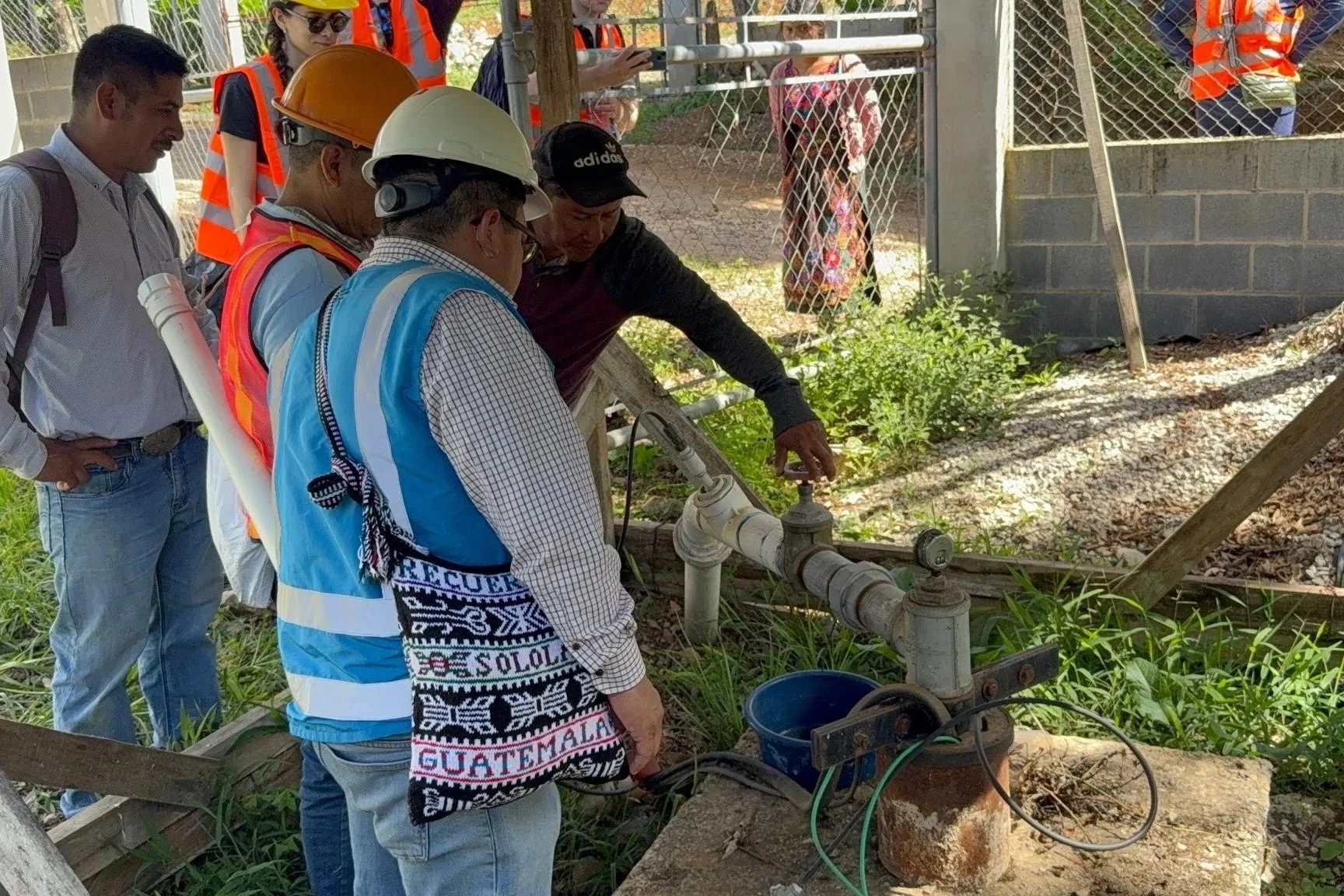
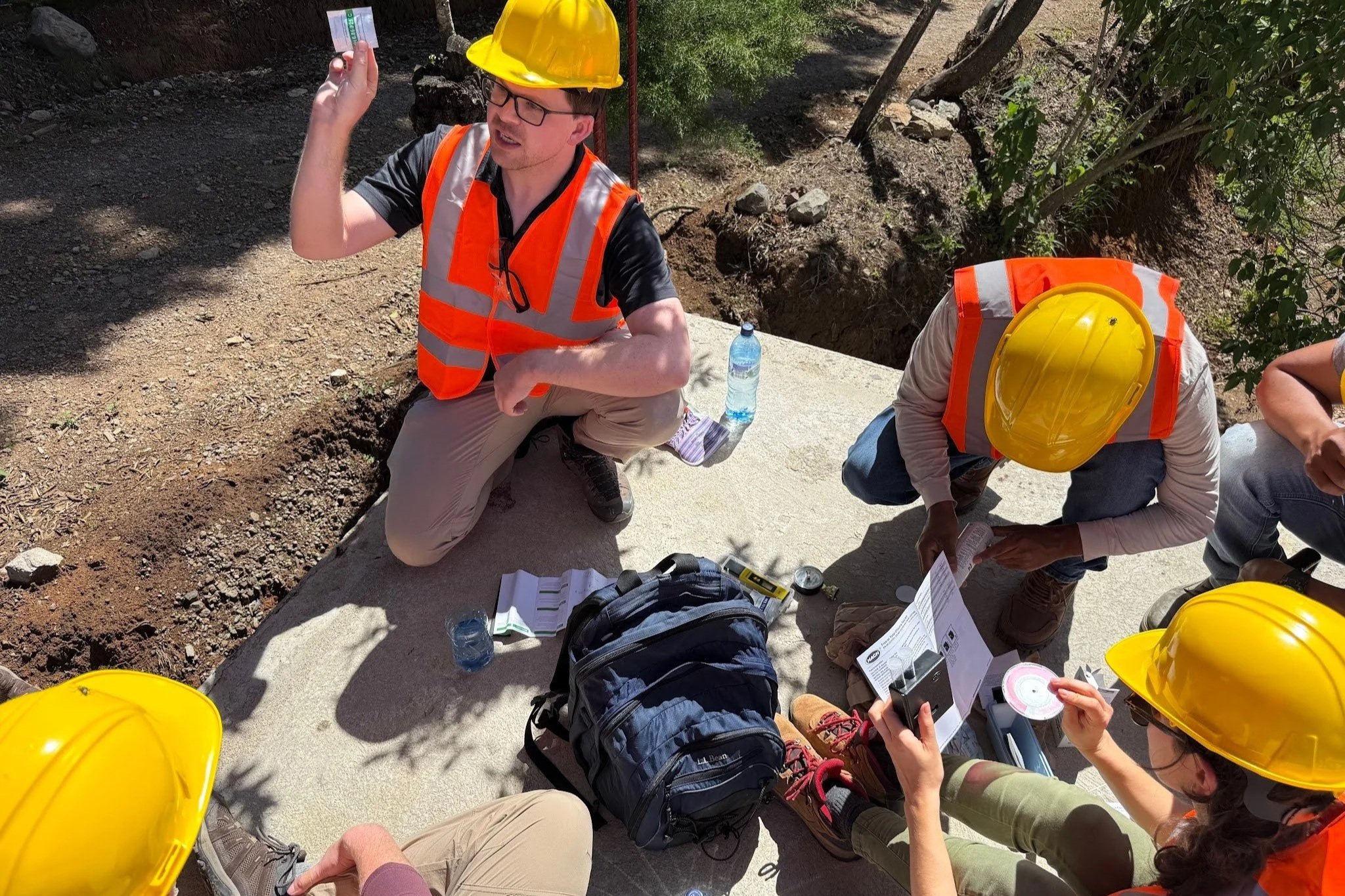
The municipality has already completed the construction of a well and water tank that will serve Patzajito and neighboring communities. The next step is to design and build a distribution system that will deliver clean water directly to households. Training for the local community on system maintenance, financial management, and hygienic water practices is also planned to ensure long-term sustainability.our involvement
The municipality had already completed construction of a well and water tank to serve Patzajito and neighboring communities, but residents still lacked direct access to clean water at home. The critical next step was designing and building a distribution system to deliver water directly to households — along with training for the local community on system maintenance, financial management, and hygienic water practices to ensure long-term sustainability.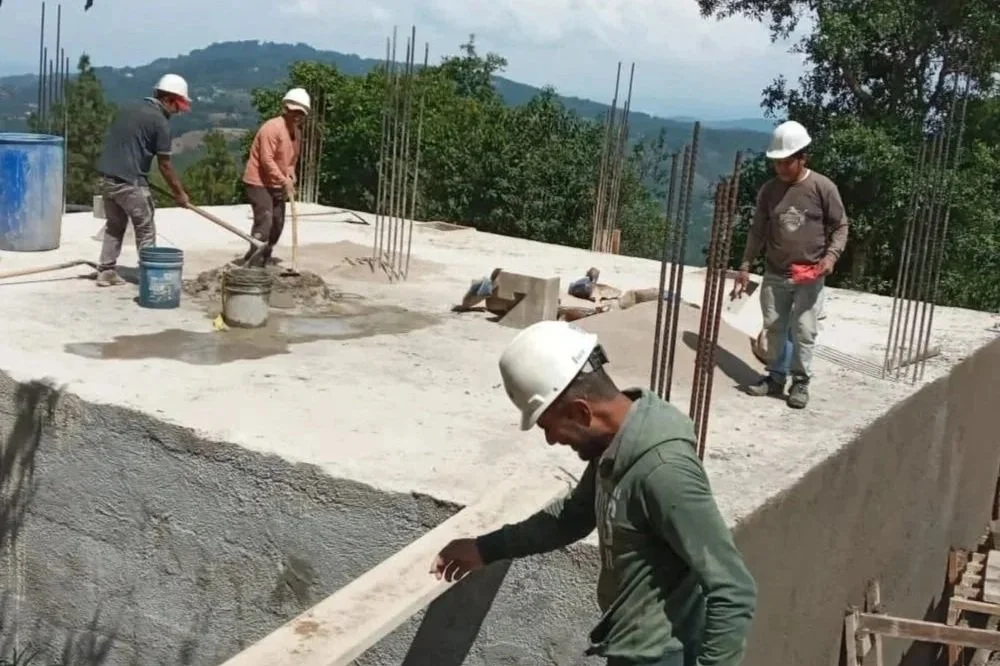
the results
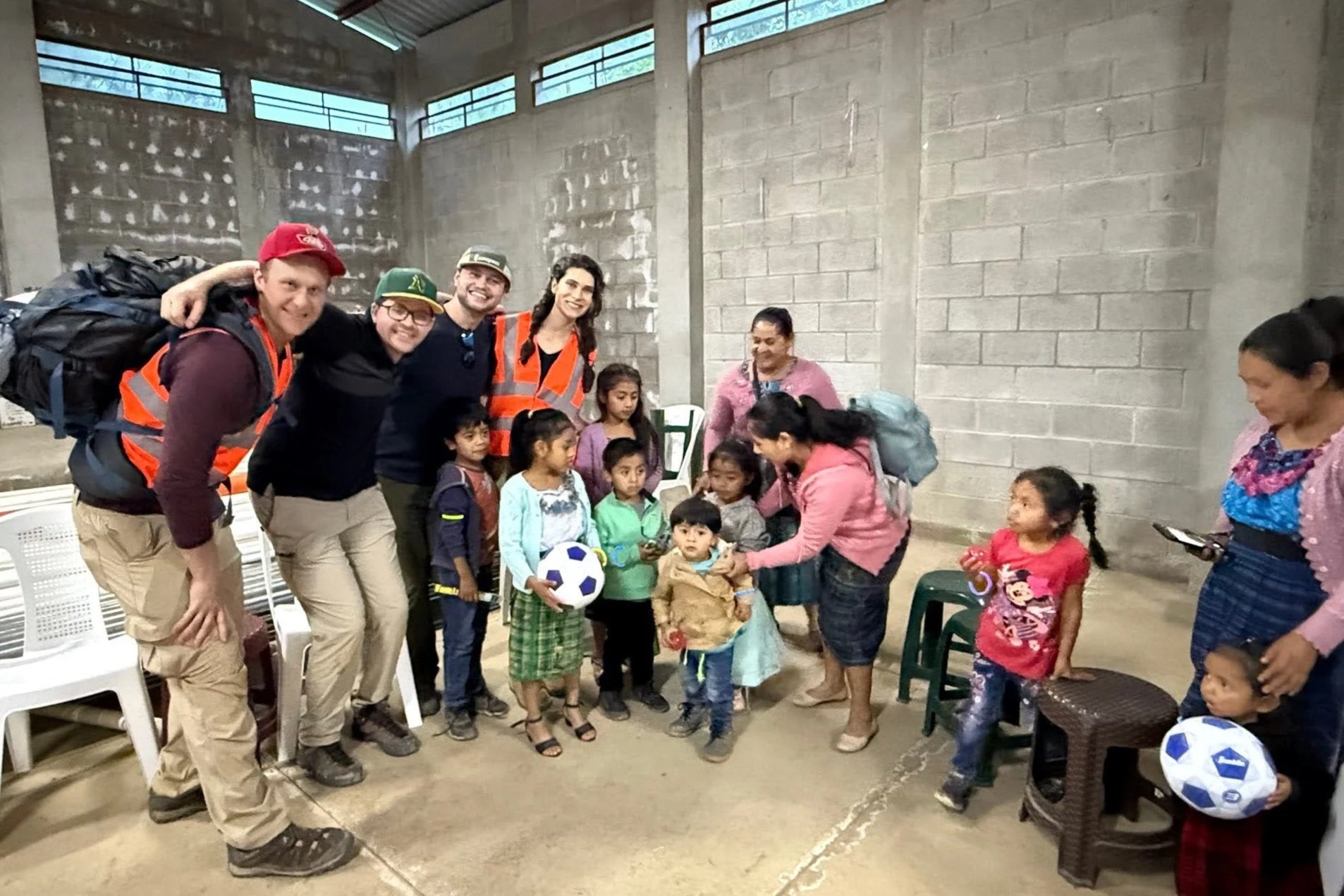
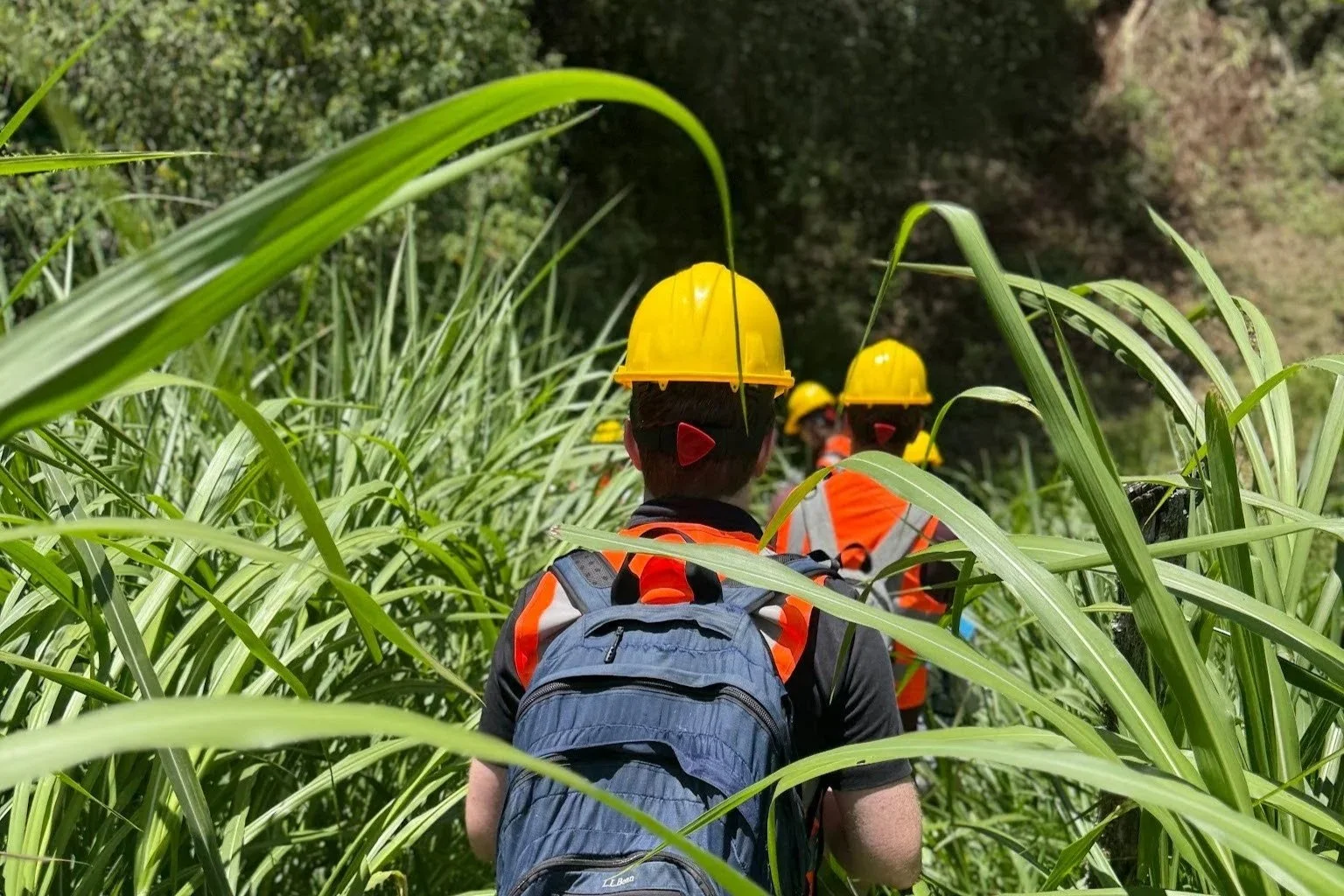
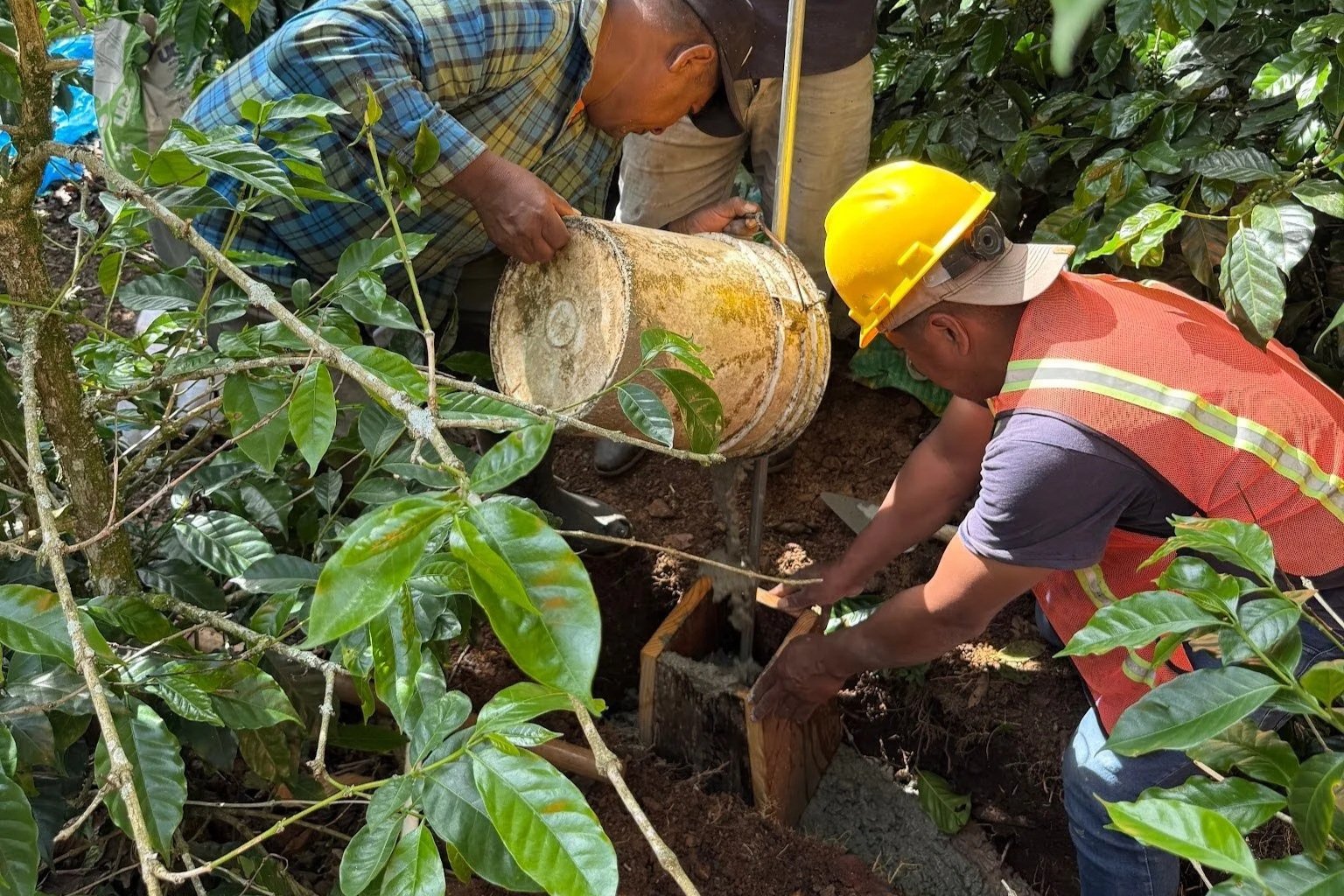
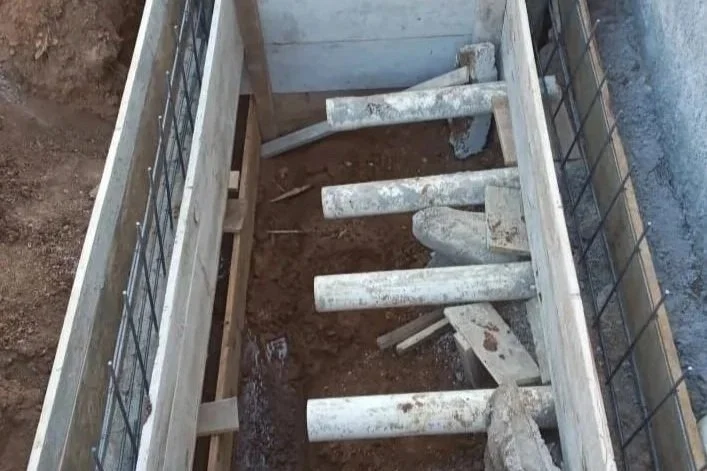
In July 2025, we verified installation of the main transmission line (línea central) and the majority of the branch distribution network throughout the community. Break pressure tanks were installed along the main line to regulate system pressure, and the aerial crossing structure was completed to ensure continuous distribution across terrain challenges.
Fewer than 100 household taps remained at the time of our final visit, with full system completion projected for late August to early fall by local engineering partners. We collected GPS data to produce final as-built documentation and formally transitioned operations to the trained community water committee, including pump, storage tank, chlorination, and pressure system maintenance.